


Leather vs. Synthetics: The Truth About Biodegradability and End-of-Life Impact
Leather has long been valued for its durability and longevity, but what happens to that leather bag or jacket at the end of its life? With growing focus on sustainability, it’s important to examine how genuine leather breaks down in the environment versus synthetic “vegan” leathers. In this analytical piece, we compare the biodegradability of traditional leather (especially vegetable-tanned vs. chrome-tanned) to that of synthetic alternatives. We also explore new innovations aimed at making leather more biodegradable, and highlight the challenges (like chromium tanning) that impact leather’s end-of-life environmental footprint.
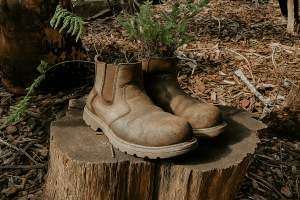
Nature reclaiming leather – a symbolic look at biodegradability and the life cycle of leather products.
Leather at End-of-Life: Will It Biodegrade?
Leather is an organic material made from animal hide (primarily collagen protein). In its raw, untreated form, hide would naturally decompose relatively quickly thanks to microbes and enzymes. However, leather undergoes a tanning process specifically to prevent that natural decay. Tanning stabilizes the hide’s proteins, making the material durable and resistant to rot. This means that while leather can biodegrade, it does so much more slowly than rawhide. In other words, the very process that gives leather its famous longevity also hinders its biodegradability. Under the right conditions, a piece of untreated rawhide might break down in months, whereas tanned leather could take decades to decompose. In fact, estimates suggest a genuine leather item might take around 50 years to fully break down under natural conditions. By contrast, truly untanned organic matter (or minimally treated leather) would biodegrade far faster – highlighting how much tanning changes the picture.
It’s important to note that “biodegradable” doesn’t mean immediate or even fast decomposition. Leather eventually disintegrates through microbial action, but it often lingers for years in landfills or soil before fully breaking apart. Factors like humidity, temperature, presence of bacteria, and whether the leather is buried or exposed will influence the pace. For example, leather that is kept dry and intact (like in a landfill) may persist longer, whereas shredded or composted leather in a rich soil environment will degrade more efficiently. Overall, while leather is of natural origin and does not accumulate in the environment indefinitely, its breakdown timeline is substantial – and heavily dependent on how it was tanned and finished.
Vegetable-Tanned vs. Chrome-Tanned Leather
Not all leather is created equal when it comes to end-of-life impact. A key difference lies in the tanning method used – primarily vegetable tanning versus chrome tanning. This distinction significantly affects both the speed of biodegradation and the environmental safety of the decomposed remnants.
- Vegetable-Tanned Leather: Vegetable tanning is an older, traditional method that uses natural plant-based tannins (such as extracts from tree bark, leaves, or other plant matter) to cure the hide. Because it relies on organic substances, vegetable-tanned leather is often touted as more eco-friendly and biodegradable. At the end of its life, a vegetable-tanned leather product can break down without leaving toxic residues. In fact, fully vegetable-tanned leather is considered compostable – meaning under the right composting conditions it can decompose into organic matter that enriches soil. This process still takes time (years rather than months), but eventually vegetable-tanned leather will disintegrate and be assimilated by microbes. Another benefit is that any tannins and oils used are natural, so the breakdown products are less likely to harm the environment. That said, even vegetable-tanned leather is not quick to rot; after all, it’s still tanned leather designed to be durable. But relative to other leathers, it has a head start in the biodegradation race.
- Chrome-Tanned Leather: Chrome tanning (using chromium sulfate and other chemicals) is the modern industry standard – accounting for an estimated 80–90% of the world’s leather today. This method is popular because it’s fast (tanning can be done in a day) and produces a soft, supple leather in a wide range of colors. However, chrome-tanned leather presents major challenges at end-of-life. Firstly, chrome-tanned hides are significantly less biodegradable. The chromium salts create strong chemical bonds with the collagen, making the leather highly resistant to bacterial breakdown. A chrome-tanned item might only partially degrade over many decades, if at all, under normal environmental conditions. One scientific study comparing tanning methods found that chrome-tanned leather had dramatically lower biodegradation rates than leathers tanned with organic or “chrome-free” agents. In practical terms, this means a piece of chrome leather could remain intact for a very long time when discarded, barely breaking down while vegetable leather or untreated hide in the same environment would gradually decompose.
Secondly – and critically – chromium itself is a pollutant. When chrome-tanned leather eventually does break apart, it can release heavy metal contaminants. Chromium(III) (the form used in tanning) isn’t by itself highly toxic, but in certain conditions it can oxidize to Chromium(VI), a much more hazardous form. In landfills, for example, leaching of chromium from masses of disposed leather can pose a hazard to soil and groundwater. Because of this, many environmental agencies classify chrome-laden waste as hazardous. In short, chromium’s effect is twofold: it slows biodegradation of leather, and it introduces a pollutant that does not biodegrade at all. A chrome-tanned leather shoe might eventually physically crumble after many decades, but the chromium remnants will persist in the environment long after the organic components have decayed – potentially causing ecological harm.
Given these issues, it’s clear that vegetable-tanned leather has an end-of-life advantage over chrome-tanned leather. Vegetable tanning avoids heavy metals and results in a product that microbes can more readily digest (relatively speaking). Chrome tanning, while producing flexible and inexpensive leather, essentially “plasticizes” the hide in a way – creating a material that resists natural decay similar to how synthetic materials do. The vast majority of leather goods on the market today unfortunately fall into this less biodegradable category. This contrast underscores a sustainability dilemma: the leather industry’s prevalent methods yield products that outlive their useful life, lingering as waste.
Synthetic Leather: Plastic by Another Name
Synthetic leather (often marketed as “vegan leather” or pleather) is made from plastic materials, typically either polyurethane (PU) or polyvinyl chloride (PVC), layered onto a fabric backing. These alternatives were developed to mimic the look and feel of leather without using animal hides. However, when it comes to biodegradability, synthetic leathers pose even greater challenges than chrome leather.
In terms of composition, PU and PVC are petrochemical polymers – essentially types of plastic. Plastics are notorious for their resistance to biodegradation, and faux leather is no exception. Most synthetic leather does not biodegrade in any meaningful timeframe. A faux leather purse or jacket could sit in a landfill for hundreds of years. One comparison often cited is that while a genuine leather item might take around 50 years to break down, a PVC-based faux leather could take 500 years or more to decompose. And unlike real leather, which eventually turns back into organic molecules (carbon, nitrogen compounds, etc.), synthetic leather usually just breaks into smaller pieces of plastic rather than truly being consumed by microbes. Those tiny fragments become microplastics, which persist in the environment, polluting soil and water. In essence, synthetic leather doesn’t biodegrade so much as it degrades physically into smaller plastic bits, with potentially harmful consequences for ecosystems.
It’s also worth noting the difference between PVC and PU faux leathers. PVC (vinyl) leather contains chlorine and can release dioxins or other toxic chemicals if burned or left to degrade, making it particularly problematic at end-of-life. PU leather is considered slightly less toxic (and is more common in newer “vegan leather” products), but it’s still a long-lasting plastic that is not biologically broken down easily. Neither option is environmentally benign when discarded.
Beyond the material itself, synthetic leather goods can have other components (plastic coatings, polyester fabric backing, etc.) that similarly won’t biodegrade. If a synthetic leather product does end up deteriorating, you’re left with those backing fabrics and coatings persisting as waste. And recycling synthetic leather is extremely difficult – it’s a multi-layer composite of different plastics and fibers, not easily separable or recyclable in standard systems. This means nearly all faux leather products eventually wind up as garbage that will either be landfilled or incinerated.
In summary, from an end-of-life perspective, synthetic “leather” is essentially plastic waste. It offers no advantage over even the least biodegradable real leather in this regard – in fact, it’s generally worse. Consumers drawn to vegan leather for ethical reasons may not realize that many of these materials will contribute to plastic pollution long after their use. The sustainability equation must consider this long-term impact: avoiding animal products is one aspect, but creating non-degrading waste is another serious concern.
Innovations Making Leather More Biodegradable
Recognizing the issues with traditional tanning, the leather industry and material scientists have been pushing for innovations that improve biodegradability. The goal is to retain leather’s useful properties (strength, flexibility, longevity in use) while ensuring it doesn’t harm the environment when discarded. Several promising developments are worth noting:
Chrome-Free and Bio-Based Tanning: Many tanneries are now adopting chrome-free tanning agents. Instead of chromium salts, they use alternatives like vegetable tannins, aldehyde compounds, or novel biopolymer tanning agents. Recent research and commercial launches have introduced tanning methods using substances such as oxidized plant starches, alginates (from seaweed), or other plant-derived polymers. These agents create the necessary cross-links in collagen but are themselves organic and more easily broken down by microbes later. For example, some modern tanning formulations combine natural polyphenols with eco-friendly crosslinkers to produce what some call “eco-leather.” The result is leather that has comparable performance to chrome-tanned in use, but is much more biodegradable once disposed. Tests have shown that such chrome-free leathers can biodegrade significantly more (and faster) in composting conditions than chrome leather. By replacing the heavy metals and harsh chemicals, these innovative tans allow microbes to eventually do their job on the collagen.
Biodegradable Finishes and Chemicals: Another focus is on the post-tanning processes. Traditional leather often gets finishing coats (for color, shine, or water resistance) that are basically plastic – like polyurethane or acrylic coatings – which hinder biodegradation. Innovations here include using natural waxes, oils, or bio-based polymers for finishing that don’t obstruct eventual breakdown. Some companies are creating water-based finishes and avoiding synthetic topcoats so that the final leather article is as purely organic as possible. The idea is that a leather item could be composted at end-of-life in its entirety, without a plastic layer peeling off. Even dyes and pigments are being reconsidered; plant-based dyes or low-toxicity chemicals ensure that when the leather breaks down, it doesn’t leach harmful substances.
Compostable “Leather” Alternatives: On a different front, there’s a wave of new leather-like materials being developed from plants and agricultural waste that aim to be fully biodegradable. These are often positioned as sustainable vegan leather options. Examples include materials made from pineapple leaf fibers (Piñatex), cactus pulp (Desserto), mushroom mycelium (Mylo), apple peels, and even a material called MIRUM which is a composite of natural rubber and plant fibers. The selling point of many of these is that they contain little or no plastic. For instance, MIRUM is marketed as 100% bio-based and plastic-free, which means it can biodegrade completely at end-of-life (it’s even certified for compostability). Similarly, cork leather (made from cork oak bark) is another alternative that’s entirely natural and will break down cleanly. While these next-gen materials are not leather in the traditional sense, they are important innovations in providing a leather-like product with minimal environmental impact upon disposal. They highlight a future where we might enjoy leather-like goods that decompose as gracefully as organic matter should.
Industry Initiatives (BioTAN, FreeTAN, etc.): Even established leather producers for high-end markets have started introducing proprietary eco-tanning methods. For example, a notable Scottish tannery recently launched technologies called BioTAN and FreeTAN. BioTAN incrementally increases bio-based content in tanning to above 50%, reducing reliance on fossil chemicals, while FreeTAN goes even further – using an entirely compostable tanning formulation that’s chrome-free, heavy-metal-free, and aldehyde-free. Leather produced with these methods is designed to meet performance standards for products like car interiors, yet at end-of-life it has enhanced biodegradability (and no toxic metals). These developments indicate that even in applications where leather performance is critical, it’s possible to reformulate processes to be more environmentally friendly when the product is discarded. The leather of the future, as these innovators envision it, is one that could eventually return to the earth safely rather than sit in a dump.
Overall, the push for more biodegradable leather is gaining momentum. From smaller artisan tanneries reviving vegetable tanning traditions, to scientific advances in green chemistry, the common aim is to reduce the long-term impact of leather waste. Consumers can look for terms like “chrome-free,” “vegetable-tanned,” or “bio-tanned” when shopping for leather, as these often signal a product that will be gentler on the planet at the end of its lifecycle. And on the flip side, truly sustainable “vegan leather” should ideally be plastic-free as well – otherwise it’s just trading one persistent material for another.